Bencao Gangmu Reference Library
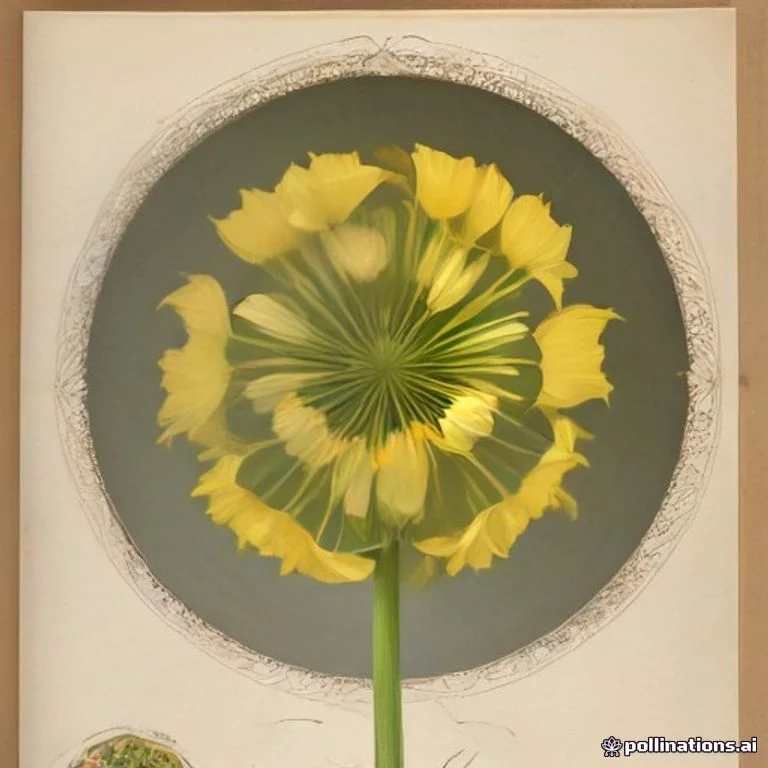
蒲公英 / 婆婆丁 / 黄花地丁 — Taraxacum mongolicum Hand.-Mazz.
Pinyin: Púgōngyīng / Pópódīng · Malay: Bunga Dandelion Nanyang · Family: Asteraceae (菊科)
Energetics
Cold (寒)
Flavor
Bitter, sweet (苦、甘)
Meridians
Liver (肝), Stomach (胃)
Traditional Edict
Clears toxic heat from liver and stomach, dispels breast abscesses (Ruyong / 乳痈), resolves inflammatory nodules, and drains urinary strangury. Sovereign botanical for acute mastitis and boils.
Cautions & Contraindications
- Bitter and cold; high doses on empty stomach may cause mild diarrhea. Contraindicated in Spleen-Stomach deficiency cold without heat.
Clinical Applications
- Acute puerperal mastitis, cystic breast hyperplasia, Helicobacter pylori-associated gastritis, acute cholecystitis, urinary tract infections, and acne vulgaris.
Quality Markers
Mechanism & Phytochemistry
1. Taraxasterol and chicoric acid inhibit NF-kB p65 and MAPK cascades, significantly suppressing pro-inflammatory TNF-a, IL-6, and COX-2 in mammary tissue. 2. Taraxacin stimulates bile flow and protects hepatocytes. 3. Direct bactericidal membrane disruption against H. pylori and S. aureus.
Preparation & Dosage
Whole dried herb in decoction: 10-30 g daily (up to 60 g in acute severe mastitis). Fresh leaves crushed as external poultice over inflamed breast nodules.
Appended Prescriptions
- 1. Sovereign Acute Mastitis & Breast Relief Decoction with Lonicera japonica (Jin Yin Hua), Forsythia, and Trichosanthes root. 2. Stomach-Clearing H. pylori Formula with Coptis chinensis and Gardenia.
Yemama Apothecary · Petaling Jaya, Malaysia · For educational and clinical reference only