Bencao Gangmu Reference Library
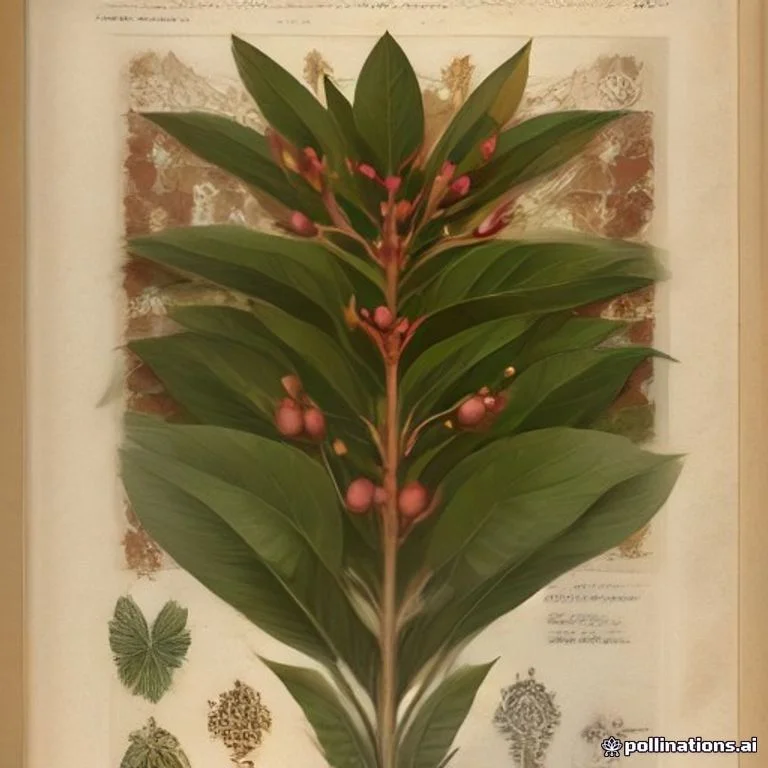
多花蒲桃 / 印度尼西亚月桂叶 — Syzygium polyanthum (Wight) Walp.
Pinyin: Duōhuā Pútáo · Malay: Daun Salam / Salam · Family: Myrtaceae (桃金娘科)
Energetics
Neutral to Warm (平 / 微温)
Flavor
Aromatic, astringent, slightly sour (芳香、涩、微酸)
Meridians
Spleen (脾), Stomach (胃), Large Intestine (大肠)
Traditional Edict
Harmonizes middle burner, astringes diarrhea, lowers blood sugar, and clears dampness. The primary culinary-medicinal leaf of Nanyang for metabolic longevity.
Cautions & Contraindications
- High culinary safety. Avoid in chronic spastic constipation due to mild astringent bowel-binding tannin properties.
Clinical Applications
- Type 2 Diabetes mellitus, hyperuricemia (gout), chronic non-specific diarrhea, hypertension, and hypercholesterolemia.
Quality Markers
Mechanism & Phytochemistry
1. Flavonoids and polyphenols inhibit a-glucosidase and a-amylase, retarding carbohydrate absorption. 2. Squalene and eugenol stimulate eNOS-mediated vasorelaxation and scavenge free radicals. 3. High tannin fractions astringe intestinal mucosa, inhibiting hypermotility.
Preparation & Dosage
Fresh or dried leaves decocted 15-20 minutes: 10-20 g daily (5-10 leaves). Standardized extract: 250-500 mg.
Appended Prescriptions
- 1. Nanyang Anti-Diabetic Glycemic Tea with Orthosiphon stamineus (Misai Kucing) and Momordica charantia. 2. Gout & Uric Acid Clearance Decoction with Centella asiatica (Pegaga).
Yemama Apothecary · Petaling Jaya, Malaysia · For educational and clinical reference only