Bencao Gangmu Reference Library
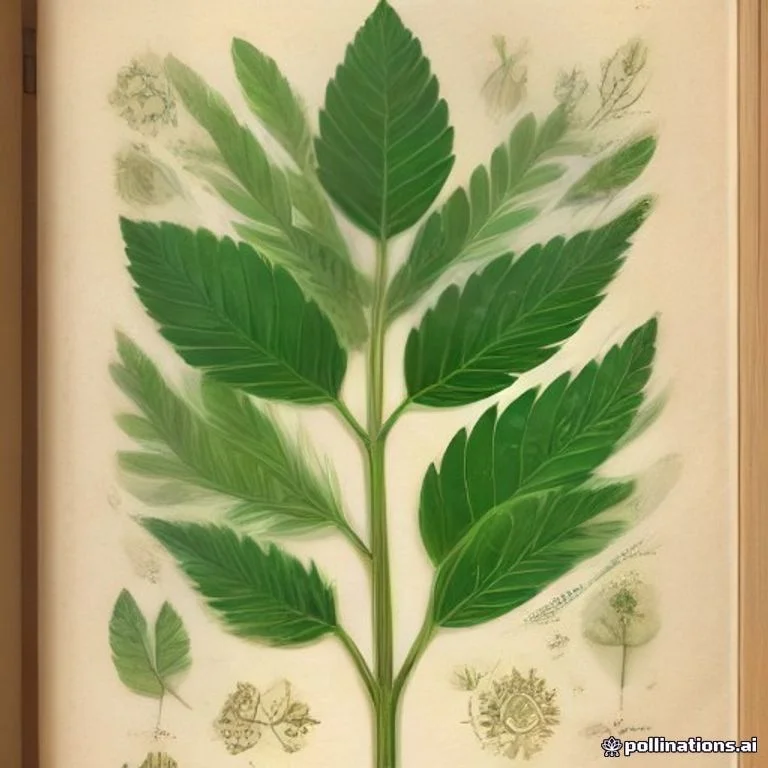
阔苞菊 / 栾樨 / 臭艾 — Pluchea indica (L.) Less.
Pinyin: Kuòbāojú / Luánxī · Malay: Beluntas / Beluntas Paya / Daun Beluntas · Family: Asteraceae (菊科)
Energetics
Warm to Neutral (温 / 平)
Flavor
Pungent, slightly bitter, aromatic (辛、微苦、芳香)
Meridians
Spleen (脾), Stomach (胃), Liver (肝)
Traditional Edict
Dispels wind and transforms dampness, warms middle burner to eliminate food accumulation, resolves toxic swelling, and purges foul body odors (bau badan). Celebrated for Lingnan Luanxi cakes and Nanyang Jamu deodorant teas.
Cautions & Contraindications
- High culinary safety. Use with general caution in patients with extreme Yin deficiency and severe dry mouth without dampness.
Clinical Applications
- Type 2 Diabetes postprandial hyperglycemia, metabolic hyperlipidemia, non-ulcer dyspepsia, axillary bromhidrosis (body odor), and rheumatoid joint inflammation.
Quality Markers
Mechanism & Phytochemistry
1. 3,4-diCQA and 3,5-diCQA act as dual inhibitors of a-glucosidase and a-amylase, blunting postprandial glucose surges. 2. Essential oils (linalool, cineole) and tannins selectively inhibit skin Corynebacterium bacteria that produce body odor. 3. Stigmasterol and b-sitosterol inhibit COX-2 and 5-LOX.
Preparation & Dosage
Fresh raw ulam leaves: 20-50 g daily. Traditional steamed Luanxi rice cakes (Luanxi Bing). Dried leaf infusion/tea: 10-20 g daily. Standardized extract: 250-500 mg twice daily.
Appended Prescriptions
- 1. Nanyang Metabolic & Odor-Eliminating Tisane with Orthosiphon stamineus and Cymbopogon citratus. 2. Lingnan Spleen-Awakening & Damp-Draining Formula with Pogostemon cablin and Amomum villosum.
Yemama Apothecary · Petaling Jaya, Malaysia · For educational and clinical reference only