Bencao Gangmu Reference Library
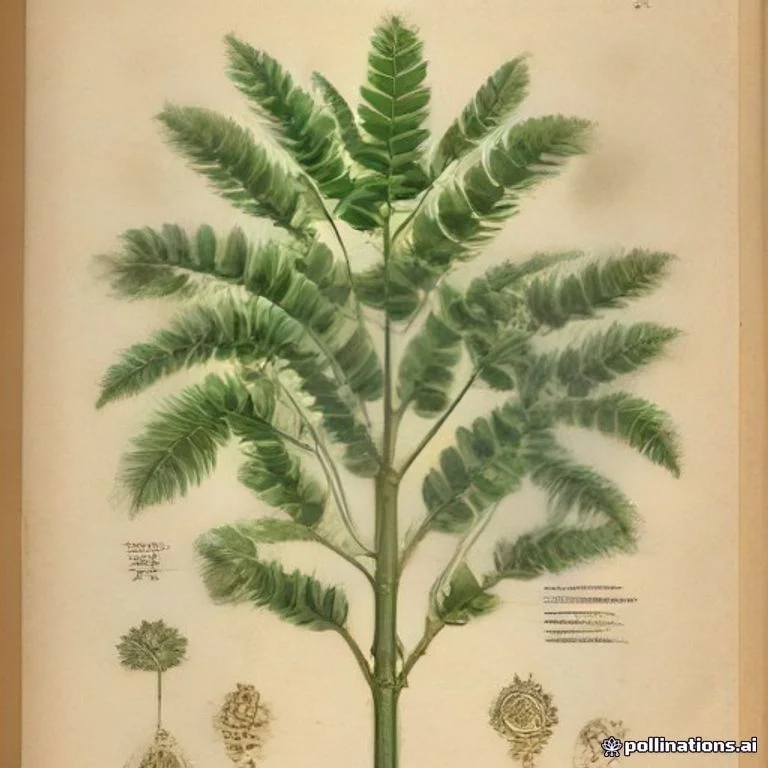
金龟树 / 牛蹄豆 / 甜肉猴耳环 / 刺槐豆 / 围裙树 — Pithecellobium dulce (Roxb.) Benth. (syn. Mimosa dulcis)
Pinyin: Jīnguīshù / Niútídòu / Tiánròu Hóu'ěnhuán · Malay: Asam Belanda / Asam Susu / Camachile · Family: Fabaceae (豆科 / 含羞草亚科)
Energetics
Neutral to Cool (平 / 微凉)
Flavor
Sweet, subacid, astringent, slightly bitter (甘、酸、涩、微苦)
Meridians
Large Intestine (大肠), Spleen (脾), Stomach (胃), Liver (肝)
Traditional Edict
Manila Tamarind (Asam Belanda / Jin Gui Shu / Camachile). Spiraled coiled pods with sweet fluffy white-pink arils. Tannin-dense bark and pod rinds powerfully bind acute watery diarrhea and bacillary dysentery, lower blood glucose, stop bleeding gums.
Cautions & Contraindications
- Do not administer heavy astringent bark decoctions in early food poisoning before toxins evacuate. High safety profile in edible fruit arils. Contraindicated in spastic constipation.
Clinical Applications
- Acute and chronic bacillary dysentery (Shigella), acute secretory diarrhea, Type 2 Diabetes mellitus (a-glucosidase inhibition), bleeding internal hemorrhoids, and marginal gingivitis.
Quality Markers
Mechanism & Phytochemistry
1. Condensed proanthocyanidins precipitate enterocyte mucosal proteins, creating an impermeable barrier that arrests fluid hypersecretion. 2. Non-competitively inhibits brush-border a-glucosidase. 3. Lupeol and catechins gingival hemostasis.
Preparation & Dosage
THE SOVEREIGN ASAM BELANDA DYSENTERY & GLYCEMIC DECOCTION: 15 to 30 g dried bark chips or spiral pod rinds boiled in 600 mL water for 20 min; taken warm twice daily for diarrhea or diabetes. Fresh fruit aril: 50-100 g daily.
Appended Prescriptions
- 1. The Sovereign Acute Dysentery Duo with Psidium guajava (Guava leaf) and Euphorbia hirta. 2. Glycemic-Lowering Pod Shell Tisane with Momordica charantia (Peria Katak).
Yemama Apothecary · Petaling Jaya, Malaysia · For educational and clinical reference only