Bencao Gangmu Reference Library
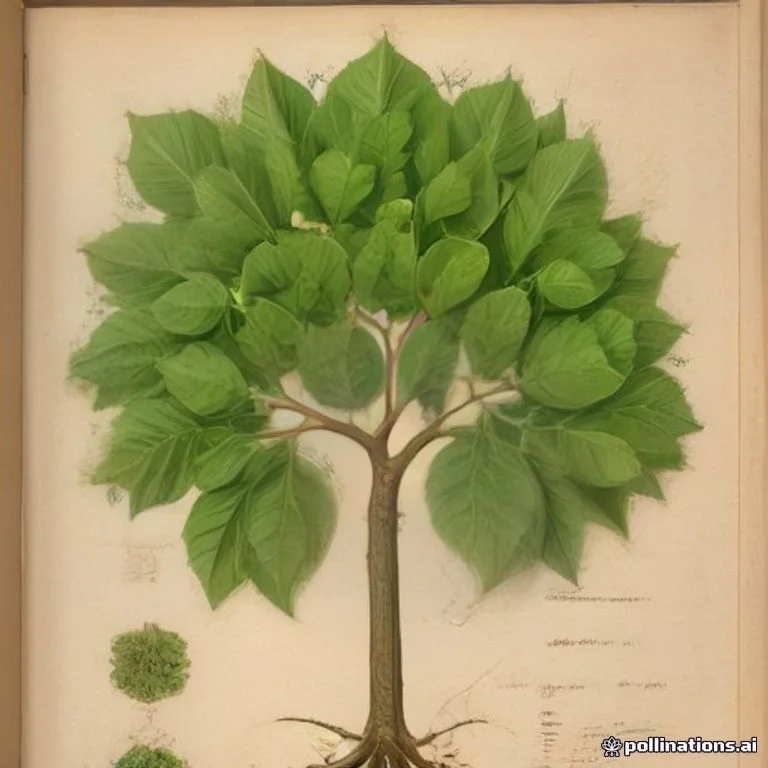
西印度醋栗 / 锡兰醋栗 / 酸醋木 — Phyllanthus acidus (L.) Skeels (syn. Cicca acida)
Pinyin: Xīyìndù Cùlì / Suāncùmù · Malay: Cermai / Cerme / Chermai · Family: Phyllanthaceae (叶下珠科)
Energetics
Cool (微凉 / 凉)
Flavor
Intensely Sour, astringent, slightly sweet (极酸、涩、微甘)
Meridians
Liver (肝), Stomach (胃), Lung (肺)
Traditional Edict
6-lobed star gooseberry. Transforms greasy food stagnation, engenders saliva to quench thirst, clears Liver heat to lower blood pressure, relieves urticaria itch. Sovereign digestive fruit.
Cautions & Contraindications
- Root bark contains toxic phyllanthine (only fruits/leaves are used). High titratable acidity; take after meals in peptic ulceration or GERD.
Clinical Applications
- Stage 1 essential hypertension, non-alcoholic fatty liver disease (NAFLD), functional dyspepsia (hypochlorhydria), postprandial glucose surges, and allergic pruritus.
Quality Markers
Mechanism & Phytochemistry
1. Phyllanthic acid and caffeoyl esters competitively inhibit ACE, downregulating Angiotensin II while stimulating eNOS vasodilation. 2. High organic acids stimulate gastrin and salivary amylase. 3. Quercetin glycosides protect hepatocytes.
Preparation & Dosage
Fresh fruits crushed with salt in warm water: 30-60 g (5-10 fruits). Dried leaves in decoction: 10-20 g daily. Standardized extract: 250-500 mg.
Appended Prescriptions
- 1. Nanyang Blood-Pressure Calming Tisane with Orthosiphon stamineus and Hibiscus sabdariffa. 2. Pharyngeal Voice-Restoring Elixir with Luo Han Guo and Honey.
Yemama Apothecary · Petaling Jaya, Malaysia · For educational and clinical reference only