Bencao Gangmu Reference Library
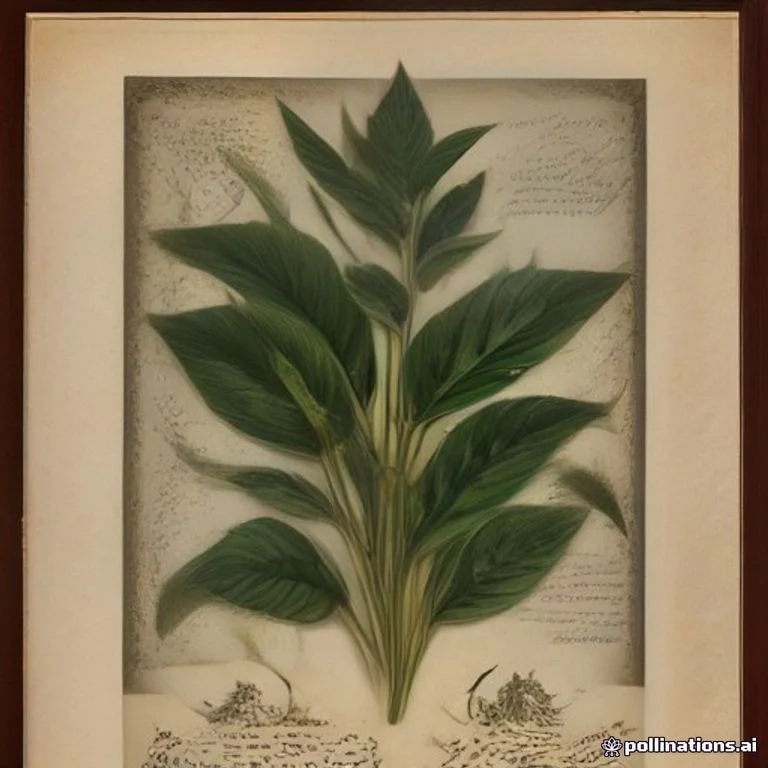
水蓼 / 辣蓼 / 假辣蓼 — Persicaria minor (Huds.) Opiz (syn. Polygonum minus Huds.)
Pinyin: Shuǐliǎo / Làliǎo · Malay: Daun Kesum / Daun Laksa / Kesum · Family: Polygonaceae (蓼科)
Energetics
Warm (温)
Flavor
Pungent, slightly peppery, aromatic (辛、微辣、大香)
Meridians
Spleen (脾), Stomach (胃), Large Intestine (大肠)
Traditional Edict
Transforms dampness, awakens Spleen, warms middle burner to stop pain, eliminates fish toxins, clears orifices to brighten memory. Essential Nanyang culinary-medicinal leaf in Laksa.
Cautions & Contraindications
- High safety (NOAEL > 1000 mg/kg). Contraindicated in severe Yin Deficiency with Effulgent Fire (bleeding ulcers, red tongue).
Clinical Applications
- Neurocognitive memory decline, digital brain fog, attention enhancement (validated in Malaysian human clinical trials), functional dyspepsia, and IBS flatulence.
Quality Markers
Mechanism & Phytochemistry
1. Quercitrin and persicarin elevate hippocampal BDNF, inhibit acetylcholinesterase (AChE), and boost working memory and attention. 2. Dodecanal and polygodial disrupt cell membranes of Candida and H. pylori. 3. Relaxes gut smooth muscle spasms.
Preparation & Dosage
Fresh culinary ulam: 15-30 g. Dried leaf infusion: 5-15 g. Standardized cognitive extract (LineMinus / PM101): 250-500 mg daily.
Appended Prescriptions
- 1. Nanyang Neuro-Cognitive Memory & Brain Clarity Synergy with Centella asiatica (Pegaga) and Ginkgo biloba. 2. Aromatic Gastro-Colic Digestive Decoction with Pogostemon cablin and Amomum villosum.
Yemama Apothecary · Petaling Jaya, Malaysia · For educational and clinical reference only