Bencao Gangmu Reference Library
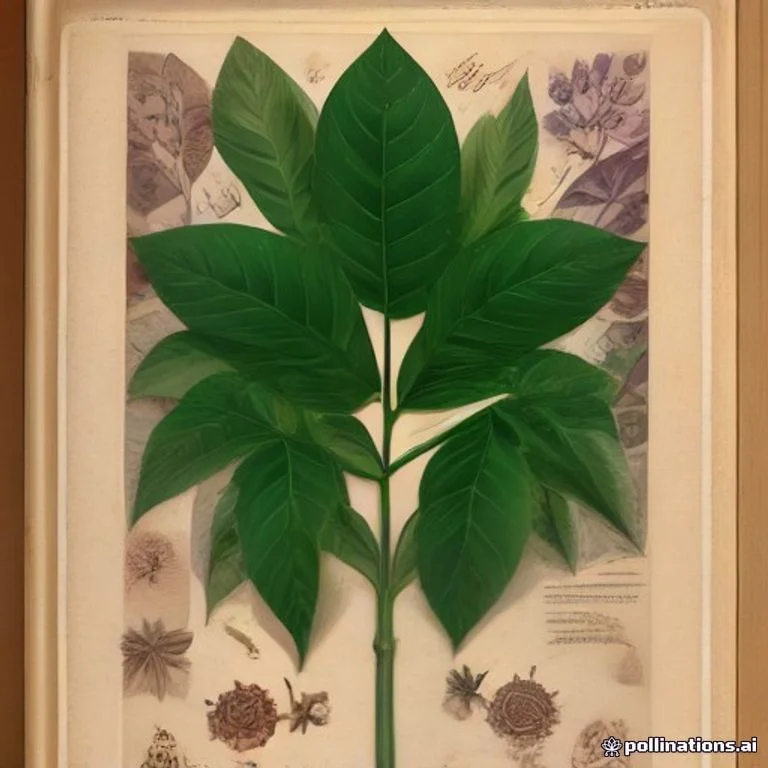
野牡丹 / 巴西野牡丹 / 地茄 — Melastoma malabathricum L.
Pinyin: Yěmǔdān / Dìqié · Malay: Senduduk / Senduk-senduk / Sikaduduk · Family: Melastomataceae (野牡丹科)
Energetics
Cool to Neutral (平 / 微凉)
Flavor
Astringent, sweet, slightly bitter (涩、甘、微苦)
Meridians
Large Intestine (大肠), Liver (肝), Spleen (脾)
Traditional Edict
Malabar Melastome. Astringes intestines to stop diarrhea, cools blood to stop bleeding, clears toxic heat, knits wounds to generate flesh. Sovereign Malay remedy for wounds, toothache, and diarrhea.
Cautions & Contraindications
- Potent astringent; do not use in chronic spastic constipation. Discontinue once diarrhea resolves.
Clinical Applications
- Acute infectious diarrhea, postpartum perineal tears, bleeding hemorrhoids, periodontal toothache, gastric ulceration, and burn wound debridement.
Quality Markers
Mechanism & Phytochemistry
1. Malabathrins and ellagitannins cross-link dermal and mucosal proteins, creating an impermeable barrier that arrests bleeding and accelerates fibroblast wound contracture. 2. Broad-spectrum bactericidal action against E. coli, Shigella, and V. cholerae. 3. Downregulates COX-2.
Preparation & Dosage
Dried leaves/roots in decoction: 10-20 g daily. Fresh leaves chewed or pounded as poultice for bleeding cuts and toothache. Maternal postpartum sitz bath: 30-50 g boiled in water.
Appended Prescriptions
- 1. Royal Malay Postpartum Perineal Healing Bath with Quercus infectoria (Manjakani) and Piper betle (Sirih). 2. Astringent Diarrhea Remedy with Psidium guajava (Guava leaf).
Yemama Apothecary · Petaling Jaya, Malaysia · For educational and clinical reference only