Bencao Gangmu Reference Library
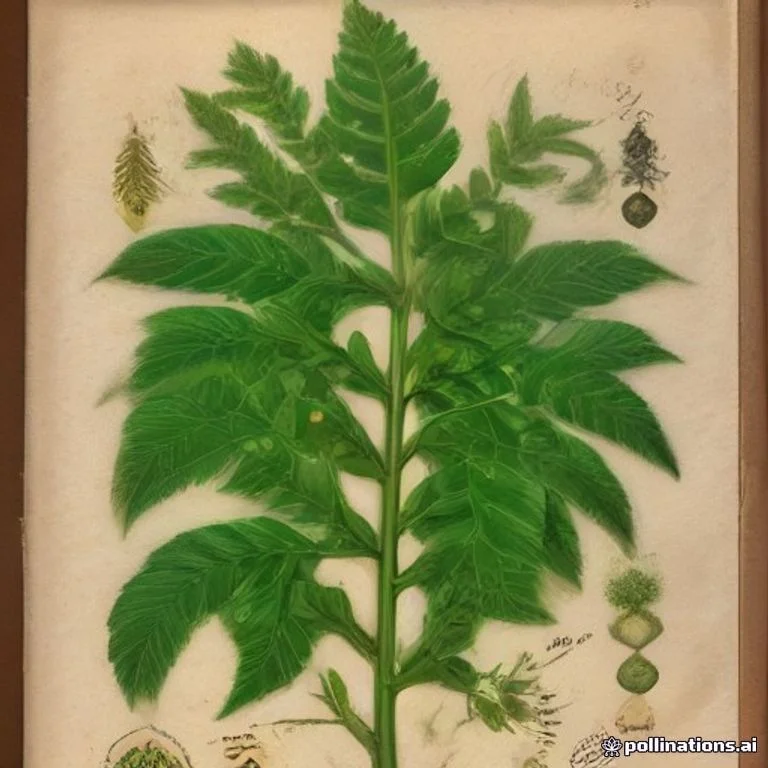
海金沙 / 金砂 / 左转藤灰 — Lygodium japonicum (Thunb.) Sw.
Pinyin: Hǎijīnshā / Jīnshā · Malay: Paku Ribu-ribu / Ribu-ribu Besar · Family: Lygodiaceae (海金沙科)
Energetics
Cold (寒)
Flavor
Sweet, bland (甘、淡)
Meridians
Urinary Bladder (膀胱), Small Intestine (小肠)
Traditional Edict
Clears toxic heat and drains dampness, unblocks strangury and dissolves stones, stops burning urethral pain. Monarch herb for stone strangury, bloody strangury, and hot dysuria.
Cautions & Contraindications
- Pure spores float on water and flash over open flame. Contraindicated in kidney deficiency polyuria without damp-heat.
Clinical Applications
- Nephrolithiasis, ureterolithiasis, cystitis, urethritis, hematuria, hyperuricemic crystalluria, and NAFLD.
Quality Markers
Mechanism & Phytochemistry
1. Flavonoids (lygodin) and caffeic acid elevate urinary citrate and chelate free calcium, halting calcium oxalate nucleation. 2. Inhibits TLR4/NF-kB, downregulating TNF-a and COX-2 to soothe urethral burning. 3. Relaxes ureteral smooth muscle spasms.
Preparation & Dosage
MUST BE WRAPPED IN CLOTH BAG (Bao Jian / 包煎) in decoction (6-15 g, up to 30 g) to prevent floating microscopic spores from choking pharynx. Swallowed as powder: 1.5-3 g.
Appended Prescriptions
- 1. Hai Jin Sha San (海金沙散) with Desmodium styracifolium and Orthosiphon stamineus for acute ureteral stone flushing. 2. Hematuria Strangury Formula with Pyrrosia lingua and Imperata cylindrica.
Yemama Apothecary · Petaling Jaya, Malaysia · For educational and clinical reference only