Bencao Gangmu Reference Library
黄槿 / 桐麻 / 海麻 / 盐水面头果 — Hibiscus tiliaceus L. (syn. Talipariti tiliaceum)
Pinyin: Huángjǐn / Tóngmá · Malay: Bebaru / Bebaru Laut / Baru-baru · Family: Malvaceae (锦葵科)
Energetics
Cool to Cold (微寒 / 凉)
Flavor
Sweet, bland, slightly astringent (甘、淡、微涩)
Meridians
Lung (肺), Liver (肝), Spleen (脾)
Traditional Edict
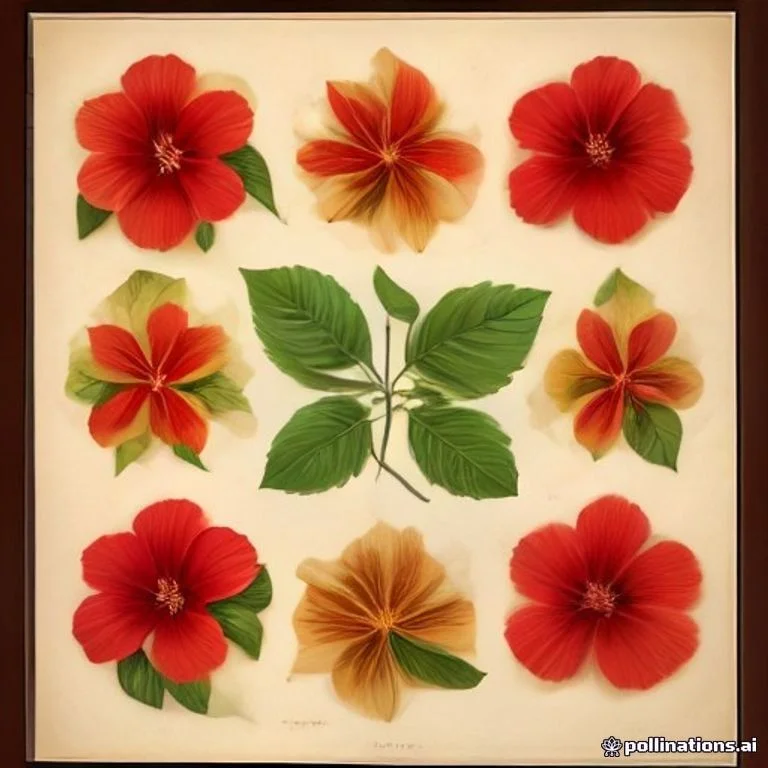
Sea Hibiscus (Bebaru / Huang Jin). Cordate leaves and color-shifting yellow-to-crimson flowers. Traditional food-wrapping leaf (Pau / Tapai). Clears lung heat, calms cough, soothes sore throat, draws pus from boils, and stops dysentery.
Cautions & Contraindications
- Blanch leaves when using as food wrappers. High culinary and medical safety. Contraindicated in cold-fluid cough with profuse watery white phlegm.
Clinical Applications
- Acute/chronic bronchitis with viscous phlegm, pharyngitis with hoarseness, acute infectious gastroenteritis, atopic eczema, and burn wound re-epithelialization.
Quality Markers
Mechanism & Phytochemistry
1. Tiliroside inhibits iNOS and COX-2 in alveolar macrophages, suppressing airway inflammation and cough. 2. Soluble mucilage hydrogel coats pharyngeal mucosa. 3. Lapachol and hibiscones lyse S. aureus cell walls for wound healing.
Preparation & Dosage
THE SOVEREIGN NANYANG ANTITUSSIVE PHARYNGEAL SYRUP: 30 g fresh flowers/leaves simmered with Snow Pear and rock sugar for 30 min (for hoarseness/cough). Dried leaf/root decoction: 15-30 g daily. Topical poultice: 30-60 g.
Appended Prescriptions
- 1. The Sovereign Coastal Pharyngeal Soothing Synergy with Lonicera japonica and Luo Han Guo. 2. Nanyang Dysentery Decoction with Psidium guajava (Guava leaf).
Yemama Apothecary · Petaling Jaya, Malaysia · For educational and clinical reference only