Bencao Gangmu Reference Library
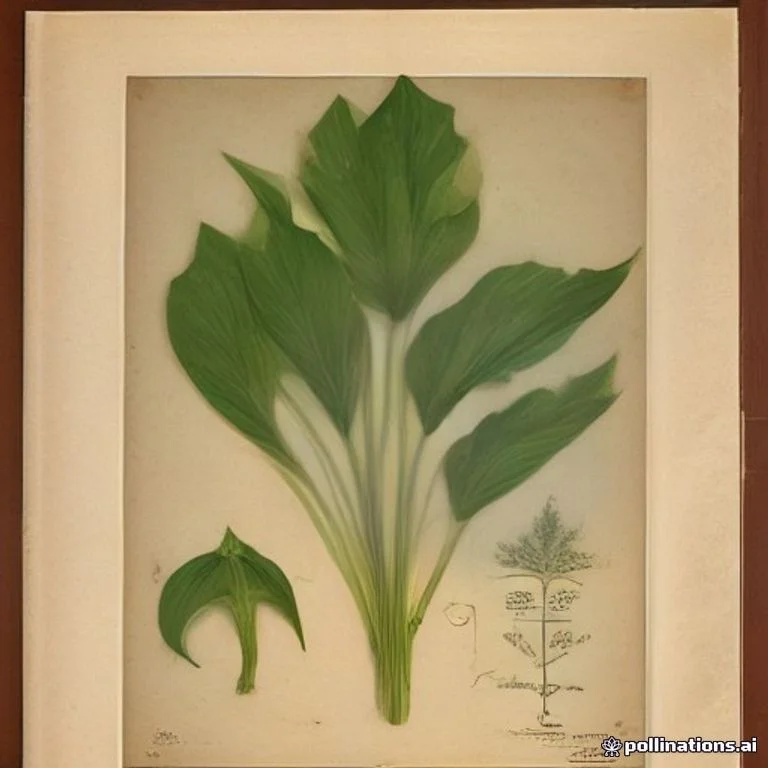
石菖蒲 / 菖蒲 / 水剑草 — Acorus tatarinowii Schott (incl. Acorus calamus L.)
Pinyin: Shí Chāngpú · Malay: Jeringau / Dringo / Jerangau Merah · Family: Acoraceae (菖蒲科)
Energetics
Warm (微温 / 温)
Flavor
Pungent, bitter, intensely aromatic (辛、苦、大香)
Meridians
Heart (心), Spleen (脾), Stomach (胃)
Traditional Edict
Opens sensory orifices and calms spirit, transforms turbid phlegm, harmonizes stomach, brightens ears and eyes. Superior elixir for phlegm-veiled consciousness, stroke aphasia, amnesia, and tinnitus.
Cautions & Contraindications
- Acorus tatarinowii is mandated (safer low-toxic profile than high-beta-asarone European Calamus). Contraindicated in Yin deficiency fire without phlegm.
Clinical Applications
- Vascular dementia, Alzheimer's disease, post-stroke cognitive recovery, ADHD, tinnitus, central insomnia, refractory epilepsy, and dyspepsia.
Quality Markers
Mechanism & Phytochemistry
1. a-Asarone and b-asarone cross blood-brain barrier, upregulate BDNF/TrkB, inhibit AChE, and protect cortical synapses against Abeta toxicity. 2. Positive allosteric modulator of GABA-A receptors, suppressing epileptic discharges. 3. Relaxes stomach smooth muscle.
Preparation & Dosage
Sliced dried jointed rhizomes decocted 15-20 minutes: 3-10 g daily (up to 15 g in acute psychiatric/coma regimens). Malay Boreh/Pilis postpartum forehead paste with ginger.
Appended Prescriptions
- 1. Chang Pu Yu Jin Tang (菖蒲郁金汤) with Curcuma wenyujin (Yu Jin) and Gardenia for high-fever delirium and stroke coma. 2. Ding Zhi Wan (定志丸) with Polygala (Yuan Zhi) and Ginseng.
Yemama Apothecary · Petaling Jaya, Malaysia · For educational and clinical reference only